
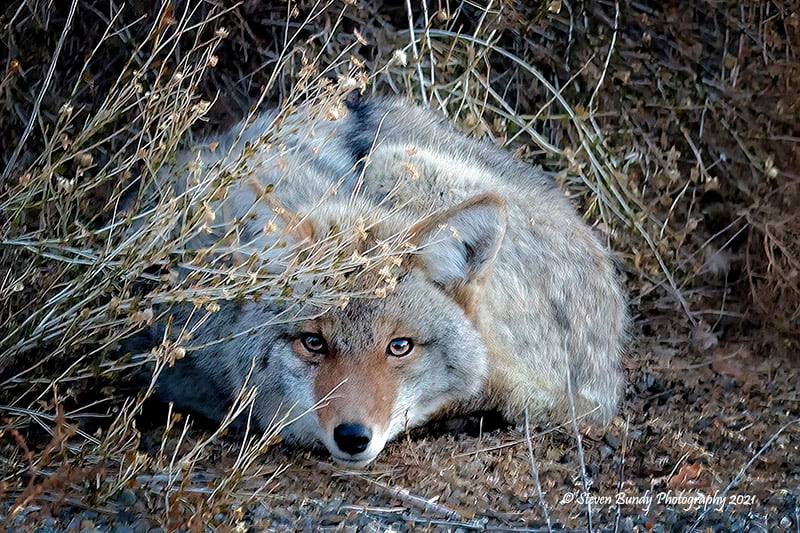
What Homeowners and Buyers Should Know
One of the great joys of living in Santa Fe is the closeness to nature. Wildlife is not something you visit on a weekend here. It is part of daily life. From quiet foothill neighborhoods to rural properties outside town, residents regularly encounter native animals moving through the landscape.
For buyers considering a move to Santa Fe, especially those relocating from urban areas, understanding local wildlife is an important part of evaluating lifestyle, property maintenance, and safety.
Why Wildlife Is So Common in Santa Fe
Santa Fe sits at the intersection of desert, mountain, and forest ecosystems. Elevation changes, open space, and undeveloped land allow wildlife to move freely between habitats.
Factors that contribute to frequent wildlife sightings include:
- Proximity to national forest and open space
- Foothill and canyon geography
- Low-density development in many neighborhoods
- Natural food and water sources
- Seasonal migration patterns
Seeing wildlife is considered normal in many parts of Santa Fe.
Common Wildlife You May Encounter
Deer and Elk
Mule deer are common throughout Santa Fe, especially in foothill neighborhoods and near arroyos. Elk are less common in town but may be seen on the outskirts or during seasonal movement.
Homeowners should be aware that deer can browse landscaping aggressively and may jump fences.
Coyotes
Coyotes are present throughout the region and are most active at dawn and dusk. They generally avoid people but are opportunistic feeders.
Pet owners should:
- Supervise small pets outdoors
- Avoid leaving food outside
- Secure trash containers
Coyotes are a normal and protected part of the ecosystem.
Bears
Black bears occasionally move through Santa Fe, particularly during spring and fall when food sources shift. Bear sightings are more common in foothill areas and neighborhoods near forest boundaries.
Bear safety focuses on prevention:
- Securing trash
- Avoiding bird feeders during high activity seasons
- Locking doors and garages
Most bear encounters involve property, not people.
Mountain Lions
Mountain lions are rarely seen but do inhabit the surrounding wilderness. Sightings within city limits are uncommon, but their presence is possible in more remote areas.
Awareness and basic precautions are typically sufficient. Mountain lions generally avoid human contact.
Bobcats
Bobcats are present throughout Northern New Mexico and are occasionally seen in and around Santa Fe, particularly near open space, arroyos, and foothill neighborhoods.
They are:
- Elusive and mostly nocturnal
- Not aggressive toward humans
- More likely to be seen crossing roads or open areas quietly
Bobcats typically pose little risk but, like other predators, can be a concern for unattended small pets.
Snakes, Including Rattlesnakes
Several snake species live in the Santa Fe area, including non-venomous snakes and rattlesnakes.
Rattlesnakes are most active in warmer months and are usually found:
- In rocky areas
- Near woodpiles
- Along trails and open land
They generally avoid human interaction. Awareness, watching where you step, and keeping yards clear of debris reduce risk significantly.
Scorpions
Scorpions are present in Northern New Mexico, though they are less common in Santa Fe than in lower desert regions.
They tend to:
- Seek shelter in cool, dark places
- Appear indoors occasionally, especially in older homes
- Be more active during warmer months
While their stings are typically not dangerous to healthy adults, they can be painful and should be avoided.
Tarantulas
Tarantulas are native to New Mexico and are sometimes spotted in late summer or early fall, particularly after monsoon rains.
They are:
- Slow moving and non-aggressive
- Often seen crossing roads or open areas
- More startling than dangerous
Tarantula sightings are brief and seasonal, and they generally avoid homes.
Smaller Mammals
Residents commonly see:
- Rabbits
- Foxes
- Skunks
- Raccoons
- Squirrels
These animals often use arroyos, drainage areas, and open lots as travel corridors.
Birds and Raptors
Santa Fe is rich in bird life, including:
- Hawks and eagles
- Owls
- Roadrunners
- Songbirds and migratory species
Many homeowners consider birds and raptors a highlight of living here.
Seasonal Patterns to Know
Wildlife activity changes throughout the year.
Spring and early summer often bring increased movement as animals search for food and raise young. Fall can bring migration and food foraging before winter. Winter sightings may increase as animals move closer to human areas in search of shelter and water.
Understanding these cycles helps homeowners anticipate activity rather than be surprised by it.
How Wildlife Affects Homeownership
Wildlife presence can influence:
- Landscaping choices
- Fencing decisions
- Trash and compost management
- Outdoor pet routines
- Irrigation and water features
Properties near arroyos, open space, or forest edges tend to experience more frequent wildlife activity.
What Buyers Should Consider
Buyers should:
- Ask about wildlife patterns specific to the neighborhood
- Visit the property at different times of day
- Consider fencing and outdoor lighting
- Understand expectations around coexistence
Wildlife is part of the Santa Fe lifestyle. Buyers who appreciate nature tend to find it enriching rather than concerning.
What Sellers Should Know
Sellers should:
- Be prepared to answer buyer questions about wildlife
- Present outdoor spaces as intentional and well maintained
- Secure trash and remove attractants during showings
- Emphasize the benefit of proximity to nature rather than framing wildlife as a problem
For many buyers, wildlife is a selling point.
Living Well With Wildlife
Santa Fe residents generally coexist with wildlife through simple practices:
- Respecting natural movement patterns
- Avoiding feeding wild animals
- Securing food sources
- Staying informed about seasonal activity
Local agencies and community education programs support responsible coexistence.
Final Thoughts
Wildlife is woven into everyday life in Santa Fe. From deer and bobcats to birds, snakes, and the occasional tarantula, these encounters are part of what makes the region feel alive and grounded.
For buyers, understanding wildlife is part of understanding Santa Fe. For homeowners, learning how to coexist creates a safer and more enjoyable experience.
✨ About Adrienne DeGuere, Sotheby’s International Realty, Santa Fe
I am a licensed Realtor specializing in Santa Fe’s luxury and relocation markets, with 130 successful transactions and deep experience helping buyers and sellers evaluate lifestyle considerations unique to Northern New Mexico, including proximity to open space, rural living, and wildlife patterns.
If you are considering a move to Santa Fe and want insight into how location and setting affect daily life, contact me. I am happy to help you find a property that aligns with both your lifestyle and comfort level.
Image by Steven Bundy.