
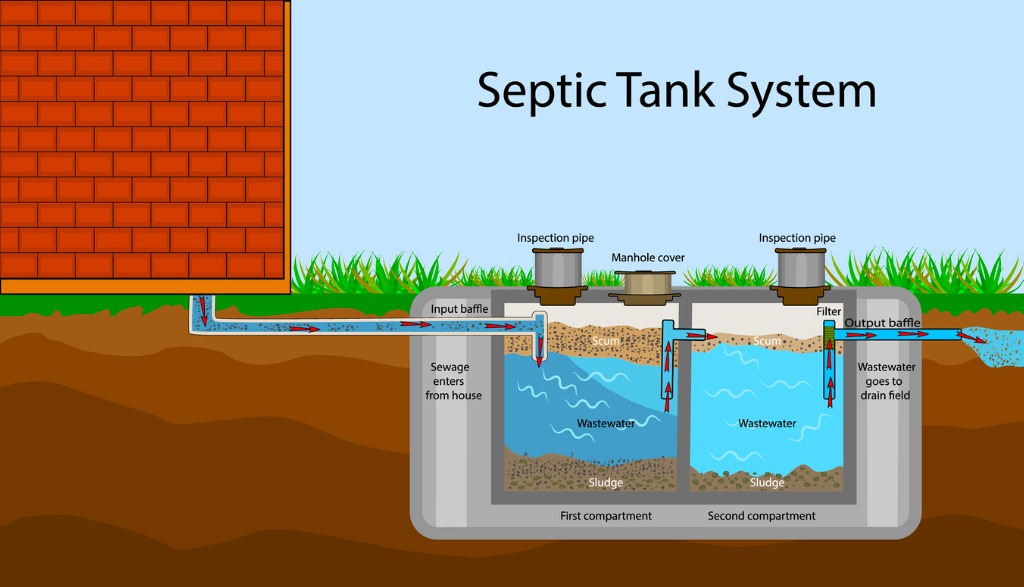
Septic systems are common in and around Santa Fe, especially outside the historic core and in more rural or semi-rural neighborhoods. For buyers relocating from cities where municipal sewer is the norm, septic systems can feel unfamiliar or intimidating. In reality, a well-maintained septic system can function reliably for decades.
Understanding how septic systems work, how they are evaluated during a real estate transaction, and what ownership involves is essential for both buyers and sellers.
Why Septic Systems Are Common in Santa Fe
Santa Fe’s development pattern includes many areas without access to municipal sewer infrastructure. Septic systems are widely used in:
- Properties outside central city limits
- Foothill and canyon neighborhoods
- Rural and large-lot parcels
- Older homes built before sewer expansion
Septic systems are a normal and accepted part of life in Northern New Mexico.
How a Septic System Works
A typical septic system includes:
- A septic tank that separates solids from liquids
- A distribution system
- A leach field where treated wastewater is absorbed into the soil
When functioning properly, the system treats household wastewater safely and efficiently underground.
Septic Systems in Santa Fe Real Estate Transactions
Septic systems are handled differently from most other property components during a sale.
Septic Evaluation Is Standard
For properties served by septic, a septic evaluation is standard during escrow. This evaluation confirms that the system is functioning properly and meets current requirements.
Seller Typically Pays
In Santa Fe transactions, the seller typically pays for the septic evaluation and any required corrective work, unless the parties negotiate otherwise. This makes septic the one inspection category most often paid for by the seller rather than the buyer.
Timing and Validity Matter
Septic evaluations are valid for only 180 days from the date they are completed. After that period, a new evaluation is generally required.
Because of this limited validity window, septic evaluations are not typically ordered before a property is under contract. I wait until a property is under contract before ordering the septic evaluation. This avoids unnecessary expense if the property does not sell within that 180 day timeframe and ensures the evaluation remains current through closing.
Once under contract, the evaluation is scheduled promptly so there is time for review, permitting, and any required corrective work without delaying closing.
What a Septic Evaluation Looks At
A licensed professional typically evaluates:
- Tank condition and capacity
- Evidence of leaks or structural failure
- Flow and absorption in the leach field
- Signs of backup or surfacing effluent
- System compliance with current standards
The evaluation is designed to identify functional issues, not to predict future lifespan.
Common Septic Issues Buyers Encounter
Issues may include:
- Full or deteriorated tanks
- Failed or undersized leach fields
- Improper drainage or saturation
- Lack of documentation for older systems
Many issues are resolvable, but they require time, permits, and coordination.
Repairs, Replacement, and Alternatives
If a system does not pass evaluation:
- The seller typically completes repairs or replacement prior to closing
- In some cases, alternative systems may be approved depending on site conditions
- Costs vary widely based on soil, access, and system type
Buyers should understand that septic work often involves county or state approval and cannot be rushed.
Ongoing Septic Maintenance for Homeowners
Once you own a home with a septic system, basic maintenance goes a long way.
Best practices include:
- Regular pumping on a recommended schedule
- Conserving water use
- Avoiding harsh chemicals
- Keeping vehicles off the leach field
- Understanding where system components are located
Proper care extends system life and prevents costly failures.
What Buyers Should Consider
Buyers should:
- Confirm the location of the septic system and leach field
- Review evaluation results carefully
- Understand maintenance responsibilities
- Factor septic considerations into future renovation plans
A septic system should be viewed as infrastructure, not an obstacle.
What Sellers Should Know
Sellers should:
- Expect to pay for septic evaluation and required work
- Understand the 180 day validity window
- Avoid ordering evaluations too early
- Schedule the evaluation promptly once under contract
- Disclose known issues honestly
Prepared sellers experience smoother transactions and fewer delays.
Septic Systems and Property Value
A functioning septic system does not reduce property value in Santa Fe. It is considered standard infrastructure in many neighborhoods.
Unresolved septic issues, however, can delay closing or affect negotiations, which is why timing and transparency matter.
Final Thoughts
Septic systems are a normal part of homeownership in Santa Fe. With proper evaluation, thoughtful timing, and ongoing maintenance, they are reliable and manageable.
For buyers, knowledge replaces uncertainty. For sellers, preparation and timing prevent unnecessary expense and surprises. In both cases, septic systems are best approached calmly and proactively.
✨ About Adrienne DeGuere, Sotheby’s International Realty, Santa Fe
I am a licensed Realtor specializing in Santa Fe’s luxury and relocation markets, with 130 successful transactions and extensive experience guiding buyers and sellers through septic evaluations, inspections, negotiations, and closing requirements unique to Northern New Mexico.
If you are buying or selling a home with a septic system and want clarity on timing, costs, and expectations, contact me. I am happy to help you navigate the process with confidence and local expertise.