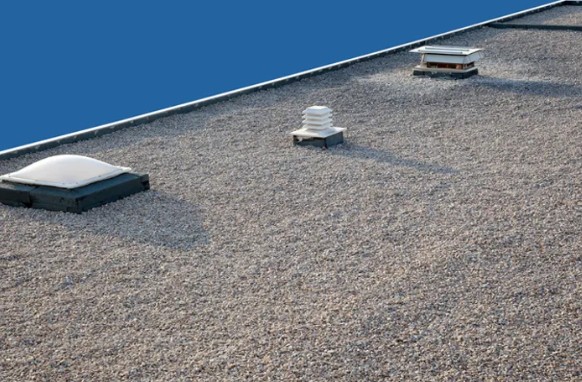
Flat roofs are a defining architectural feature of Santa Fe homes, especially those built in Pueblo or Territorial style. Among the most common flat roof types buyers encounter is the tar and gravel roof, also known as a built-up roof.
While tar and gravel roofs can perform well when properly maintained, they require a different level of care and understanding than pitched or membrane roofs. For buyers and sellers alike, knowing what to look for is essential — and that increasingly includes how roof type can affect homeowner insurance in areas with wildfire risk.
What Is a Tar and Gravel Roof
A tar and gravel roof is constructed by layering hot asphalt or bitumen with reinforcing materials, then topping the surface with gravel.
The gravel serves several purposes:
- Protects the asphalt from ultraviolet exposure
- Adds weight to resist wind uplift
- Provides limited fire resistance
- Helps extend the life of the roof surface
These roofs were widely used in Santa Fe for decades and are still present on many older and mid-century homes.
Why Tar and Gravel Roofs Matter in Santa Fe
Santa Fe’s high-desert climate creates unique challenges for flat roofs.
Homes here experience:
- Intense UV exposure
- Large daily temperature swings
- Freeze and thaw cycles in winter
- Heavy monsoon rains in summer
Over time, these conditions can cause the underlying asphalt layers to dry out, crack, or lose flexibility. When water finds its way beneath the surface, leaks may occur far from where damage is visible inside the home.
Insurance Considerations in Wildfire-Prone Areas
In recent years, wildfire risk has become a major factor in homeowners insurance underwriting. In many fire hazard zones, insurers evaluate home characteristics such as location, vegetation, defensible space, access, and importantly roof design and materials when deciding whether to offer coverage and at what cost. Some of the factors that insurers consider include roof material flammability (with wood shake or shingle rated highest), roof drainage and debris accumulation risk, and how readily embers might ignite a structure’s surface. Insurance companies may be more cautious with certain roof types in wildfire-prone areas, potentially resulting in higher premiums, limited coverage options, or denials of new policies if a property is perceived as high risk.
In New Mexico and other western states that face wildfire exposure, flat roofs and tar and gravel assemblies can be seen as more vulnerable compared to fire-resistant roof types prioritized by insurers, such as Class A asphalt shingles, metal, tile, or concrete roofing. These materials resist ignition more reliably during ember exposure or radiant heat events, and they are often viewed more favorably in underwriting. At the same time, some insurers offer coverage even for roofs categorized as higher risk, but availability often varies by company and by specific property risk profile.
Given this reality, buyers should expect that insurance for a home with a tar and gravel roof in a wildfire risk area may carry higher premiums, stricter underwriting requirements, or even limited availability unless fire mitigation steps are documented and defensible space and roofing conditions align with insurer expectations. In some cases, alternative roof materials that meet wildfire resistance standards are considered more insurance-friendly.
Common Issues Buyers Should Understand
Tar and gravel roofs tend to fail slowly rather than suddenly, which can make problems harder to spot.
Common concerns include:
- Ponding water that does not drain properly
- Blistering or cracking beneath the gravel
- Gravel displacement that exposes asphalt
- Deteriorated flashing at parapets, canales, or vents
- Interior leaks that appear far from the source
Because gravel conceals the membrane, damage is often hidden until it becomes significant.
Inspection Realities
During a home inspection, inspectors typically:
- Walk the roof if conditions allow
- Evaluate drainage and ponding
- Examine flashing and penetrations
- Look for signs of interior water intrusion
However, inspectors cannot see beneath the gravel. As a result, tar and gravel roofs are often noted as having limited visibility, with recommendations for further evaluation by a roofing professional if concerns exist.
Maintenance Is Not Optional
Tar and gravel roofs require ongoing maintenance to perform well.
Typical maintenance includes:
- Clearing debris from roof surfaces and drains
- Replacing displaced gravel
- Resealing flashing and penetrations
- Monitoring for ponding after storms
- Periodic professional evaluation
Deferred maintenance is one of the most common reasons these roofs fail prematurely.
Age and Remaining Life Expectancy
While tar and gravel roofs can last many years, lifespan varies widely depending on:
- Installation quality
- Maintenance history
- Climate exposure
- Drainage design
Buyers should not rely solely on age. A well-maintained older roof may outperform a neglected newer one. Documentation of repairs and maintenance adds meaningful value.
Are Tar and Gravel Roofs a Deal Breaker
Not necessarily.
In Santa Fe, tar and gravel roofs are common and widely understood by local professionals. The key factors are:
- Current condition
- Evidence of proper drainage
- Maintenance history
- Inspection findings
Issues are often addressed through negotiation, credits, or planned future maintenance rather than automatic rejection of a property.
That said, because wildfire risk is increasingly part of insurance underwriting, buyers should plan ahead and talk with insurance professionals early to understand how a tar and gravel roof might influence policy options and cost.
What Sellers Should Know
Sellers with tar and gravel roofs should:
- Address known drainage or leak issues before listing
- Ensure canales and drains are clear
- Be prepared for buyer questions about roof condition
- Be ready for insurance inquiries tied to roof type
A pre-listing roof evaluation can reduce surprises and support smoother transactions.
Alternatives Buyers May Encounter
Some homeowners choose to transition away from tar and gravel systems over time, often toward:
- Modified bitumen roofs
- Single-ply membrane roofs
- Fire-resistant Class A roofs on pitched sections
- Hybrid systems that combine weather and fire resistance
Each option comes with different costs, maintenance needs, and performance characteristics.
Buyers should weigh long-term insurance impacts along with upfront costs when evaluating roofing alternatives.
Final Thoughts
Tar and gravel roofs are part of Santa Fe’s architectural legacy. When maintained, they can perform effectively in a demanding climate. When neglected, they can become a source of ongoing expense and uncertainty.
For buyers, a key consideration today is how a roof’s design and materials interact with wildfire risk and insurance availability. For sellers, transparency and preparation go a long way.
With informed guidance, tar and gravel roofs become a managed consideration rather than a deal-ending surprise.
✨ About Adrienne DeGuere, Sotheby’s International Realty, Santa Fe
I am a licensed Realtor specializing in Santa Fe’s luxury and relocation markets, with 130 successful transactions and extensive experience navigating inspection issues and insurance concerns unique to high-desert homes.
If you are buying or selling a home with a tar and gravel roof and want clear guidance on condition, risk, and insurance implications, contact me. I am happy to help you evaluate both lifestyle fit and market impact.