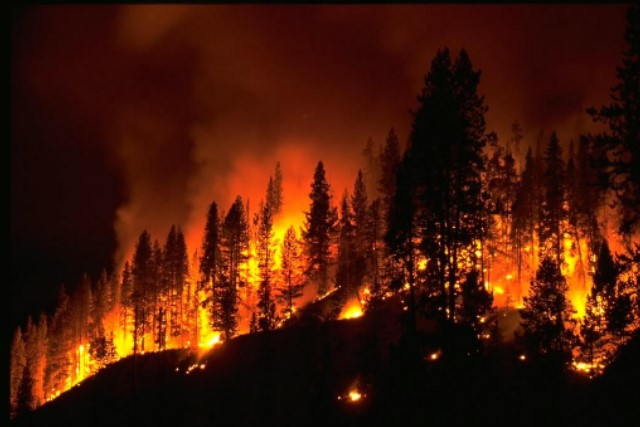
With its soaring piñon-covered hillsides, mountain views, and high-desert beauty, Santa Fe offers one of the most captivating living environments in the country. However, that same landscape, combined with drought cycles and regional forest conditions, can put certain properties at elevated wildfire risk.
As a result, property insurance in fire-prone areas has become a major consideration in Santa Fe real estate, especially for buyers relocating from outside New Mexico, where wildfire-related insurance trends may be very different.
Here’s what buyers and sellers need to know before purchasing, listing, or closing on a home in a high-risk area.
🔥 Why Wildfire Risk Matters in Santa Fe
Certain Santa Fe neighborhoods, particularly those adjacent to forested or open land, face higher exposure to wildfire conditions.
World-class scenery and access to hiking often come with:
- Dense vegetation
- Steep terrain
- Limited access roads
- Interfaces between wilderness and residential development
Climate patterns and prolonged dryness have increased insurance scrutiny statewide, and many insurers now evaluate risk more aggressively than in past decades.
🏡 Insurance Options May Be Different, or Limited
The single biggest shift homeowners are seeing is not price, it’s availability.
In higher-risk zones:
- Some insurers decline to write new policies
- Others require additional mitigation steps before issuing coverage
- Premiums may vary significantly
- Deductibles for fire-related claims may be higher
Buyers should never assume that a prior policy automatically transfers or that any insurer will offer coverage without conditions.
📄 Buyers Need to Begin Insurance Research Early
In today’s environment, insurance cannot be an afterthought.
Best practices include:
- Contacting insurance carriers before submitting an offer, if possible
- Requesting multiple quotes: premiums and eligibility vary widely
- Sharing property details (such as acreage, access, and proximity to wildland boundaries)
- Understanding whether a home is in a mapped Wildland Urban Interface (WUI)
Early communication prevents delays later in escrow, or surprises on closing day.
🌲 Fire Mitigation Can Make a Difference
Insurance carriers increasingly reward homes with visible fire-reduction strategies, including:
- Cleared vegetation around structures
- Defensible space beyond the immediate perimeter
- Fire-resistant roofing and vent materials
- Ember-resistant screening
- Access that allows fire response vehicles to reach the home
Some insurers require mitigation documentation; others may discount premiums for properties already adapted.
Sellers who take proactive steps often position their homes more attractively, and reduce buyer hesitation.
🧭 What Sellers Need to Know
Selling in a high-risk wildfire area isn’t a disadvantage, but it is a disclosure and preparation issue.
Sellers should:
- Expect buyers to ask about insurance costs and availability
- Communicate openly about any prior claims or mitigation work
- Provide fire-prevention assessments if available
- Consider obtaining an advance insurance quote as a buyer resource
- Price strategically if insurance options are narrower than average
Clarity and preparation build trust, and remove uncertainty from the process.
💡 What Buyers Should Expect in Escrow
Insurance now plays a central role in due diligence, alongside:
- Inspection contingencies
- HOA responsibilities (where applicable)
- Fire district resources
- Availability of water sources, cisterns, or hydrant systems
In some cases, buyers may also need to:
- Adjust desired coverage levels
- Evaluate additional liability or property endorsements
- Consider separate coverage for wildfire loss, if offered
Understanding the full cost and feasibility of insuring a home, before closing, is essential.
🌐 Local, Regional & National Forces Are Shaping the Market
Insurance risk rating is changing nationwide in response to wildfire patterns, and Santa Fe is part of a broader trend.
While homes near the Plaza or in urban zones may see standard underwriting, foothill and forest-edge properties can face increased scrutiny.
The key takeaway:
Risk does not eliminate insurability, but it changes evaluation.
✨ Final Thoughts
Santa Fe’s stunning natural setting is part of what makes living here extraordinary, and wildfire risk management is simply a modern reality of living near beauty.
With early planning, informed guidance, and proactive preparation, buyers can confidently purchase homes in fire-prone areas, and sellers can present their properties strategically and transparently.
Understanding wildfire insurance isn’t about fear, it’s about protecting one of your most meaningful investments.
✨ About Adrienne DeGuere, Sotheby’s International Realty – Santa Fe
I’m a licensed Realtor® specializing in Santa Fe’s luxury and relocation markets, with 130 successful transactions and extensive experience helping clients navigate wildfire-zone properties, insurance requirements, disclosures, and long-term maintenance realities unique to Northern New Mexico.
If you’re buying or selling in a wildfire-prone area, or if you simply want clarity on insurance implications, contact me. I’ll guide you through every step with confidence, transparency, and local expertise.
Photo by National Oceanic and Atmospheric Association.